
AMG bring old skills to Life

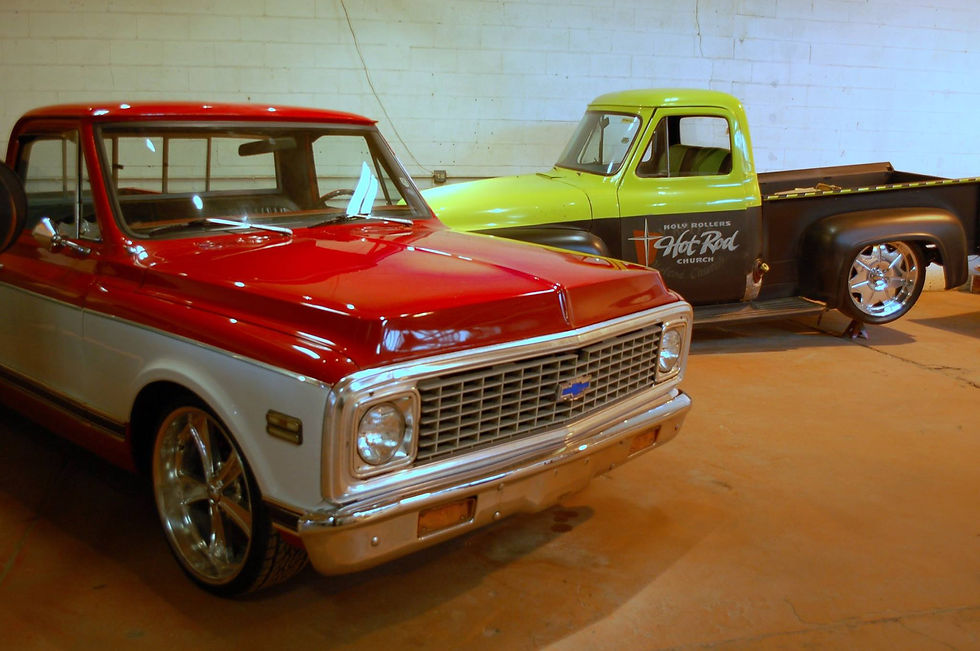
In an era of digital printing, vinyl wraps, and computer-generated graphics, the craft of hand-painted car lettering and logo painting is quietly fading. Yet for decades, this skill was a defining element of automotive culture. From delivery trucks and race cars to classic hot rods and restoration projects, skilled artists once painted every line, letter, and flourish by hand. Today, only a small group of artisans continue to practice this remarkable trade.
For organizations like Automotive Mentoring Group, preserving and teaching these traditional skills offers young enthusiasts a meaningful connection to the heritage of automotive craftsmanship.
A Craft Rooted in Automotive History
Before modern decals and vinyl graphics became common in the 1980s and 1990s, hand lettering was the standard for vehicle branding. Sign painters and pinstriping artists used specialized brushes, enamel paints, and years of practice to create perfectly balanced lettering directly on metal.
Each piece was unique. The artist had to understand:
Letter spacing and proportion
Brush control and paint flow
Color balance and shading
Surface preparation and durability
Whether it was a local plumber’s work truck or a race team’s sponsor logos, these designs were not printed—they were carefully painted stroke by stroke.
Why the Skill Is Disappearing
Several factors have contributed to the decline of this once-common trade.
Technology replaced craftsmanship. Vinyl lettering and digital printing made it faster and cheaper to apply graphics to vehicles. Businesses could order standardized designs and install them quickly.
Fewer apprenticeships exist. Traditionally, sign painters learned through mentorship—working under experienced artists for years. As demand declined, so did opportunities to learn the craft.
Patience and precision are required. Hand lettering cannot be rushed. It requires steady hands, artistic understanding, and countless hours of practice.
As a result, many young automotive enthusiasts have never even seen a vehicle lettered by hand.
Why It Still Matters
Despite its decline, hand-painted lettering remains highly respected in the automotive community. In fact, the rarity of the skill has made it even more valuable.
Classic car restorers often seek authentic hand-painted graphics to maintain historical accuracy. Custom hot rod builders appreciate the organic look and character that only a human hand can create. No printer can replicate the subtle brush strokes, shading, and artistic flair of a skilled sign painter.
Beyond aesthetics, this craft teaches important lessons:
Patience and discipline
Attention to detail
Artistic confidence
Pride in craftsmanship
These qualities are at the heart of many traditional trades.
An Opportunity for Mentorship
For a mentoring organization focused on automotive skills, introducing young people to hand lettering and logo painting can be incredibly impactful.
Learning this craft blends art and mechanics, offering students a creative outlet within the automotive world. Even basic instruction—such as brush techniques, pinstriping fundamentals, and lettering layout—can spark interest and appreciation for traditional skills.
Workshops or demonstrations can help students understand that automotive culture is not just about engines and performance. It also includes design, artistry, and heritage.
Keeping the Tradition Alive
While modern technology has changed the industry, the tradition of hand-painted automotive lettering does not have to disappear. With mentorship, education, and appreciation for craftsmanship, a new generation can rediscover this remarkable skill.
By exposing young enthusiasts to trades like sign painting and pinstriping, organizations like Automotive Mentoring Group help preserve an important piece of automotive history.
Because sometimes the most valuable lessons aren't printed or programmed—they're painted by hand, one careful brushstroke at a time.


Comments